The Safari Seasons of Sariska: A Guide from Neem Sarai

A safari tour is one of the most exciting methods for discovering nature and wildlife. Whether you visit a national park, Tiger Reserve or Wildlife Sanctuary, a safari allows you to see animals in their natural homes. In India, safari tours are very popular with tourists, wildlife photographers and nature lovers.
But many people do not know that the safari is not open throughout the year. The government limits them to specific months due to significant environmental and safety concerns. In this blog, we will discuss the best season for the Safari tour, why the Safari is closed several times and what animals you can see, especially in the Sariska Tiger Reserve.
When is the Best Season for a Safari Tour in Sariska (Neem Sarai)?
The best time to visit Sariska Tiger Reserve, including the Neem Sarai Sariska is between October and June, and that is when the official tourist season is open and wildlife sightings are at their peak, making it ideal for nature lovers and wildlife photography.
Winter season (October to February):
This is the most comfortable time to visit Sariska. The weather is nice and the visibility is excellent. You can enjoy a safari in the morning and evening without sunny temperatures. Winter is also a great time for bird watching, as many migratory birds come to the area, especially near Neem Sarai near Cylise Lake and the water bodies.
Summer season (March to June):
Although the temperature can climb above 40° C, this is actually the most important time for detecting large cats such as tigers and leopards in Sariska. Due to the heat, animals come out more often to drink water, especially near the water holes known as NEEM. Safari is recommended during these months in the morning and late at night.
Note: Avoid safaris in the afternoon in the summer as the heat can intensify and the animals can slow down.
For an unforgettable stay, explore our Wildlife Jungle Resort in Sariska – Sunset Rides & Safaris and pair your safari season adventure with luxury comfort.
Why Does the Government Ban Safari Tours During Certain Months?
Most of the national parks and tiger reserves in India, including Sariska, are closed from July to September. This is the monsoon season in most parts of India, and there are many important reasons why Safari is banned during this period:
1. Animal farming season
Wild animals such as tigers, leopards and deer often breed in the monsoon season. During this time, the parks ensure that animals can move in peace without human disturbances.
2. Security issues
Monsoon rain makes the forest paths smooth and unpredictable. Roads can be flooded and can be blocked by fallen trees, posing danger to both tourists and forest staff.
3.Forest conservation
The monsoon is an important time to revive the ecosystem. Plants and trees grow back, and the forest becomes lush. The human movement is prohibited from letting the forest fix itself.
4. Wildlife reserve
Disruptive wildlife activities during the weak reproductive period can significantly alter animal behaviour, reduce breeding success, and ultimately threaten their long-term survival. A ban on safari during this time helps protect the natural balance of the reserve.
Animals You Can Spot on a Safari Tour While Staying at Neem Sarai, Sariska
Sariska Tiger Reserve, located in the Alwar district of Rajasthan, is a diverse landscape with dry deciduous forests, grasslands and rocky hills. Neem Sarai is one of the most beautiful places. There are some attractive animals and birds that you can see during the open season:
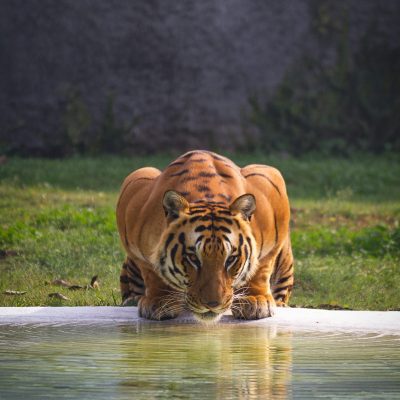
1) Tigers
Sariska is a tiger reserve, and discovering one of these majestic large cats is the main attraction of any safari. Tigers have been successfully reintroduced here and are often sighted during the safari experiences offered through Neem Sarai.
2) Leopard
Although leopards are elusive, Sariska has a healthy population. They are often seen in the morning or near water bodies in dry weather.
3) Indian elephant
Unlike other parks, Sariska does not have elephants. However, you can see them in rescue or protective areas nearby, even though they are not resident in the Sariska forests.
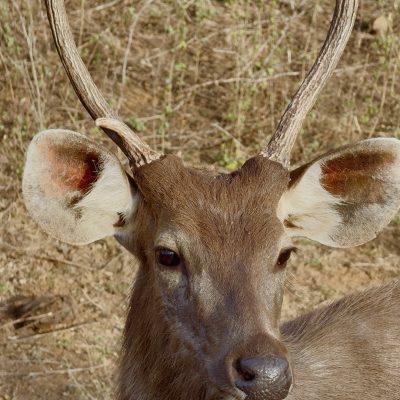
4) Deer species
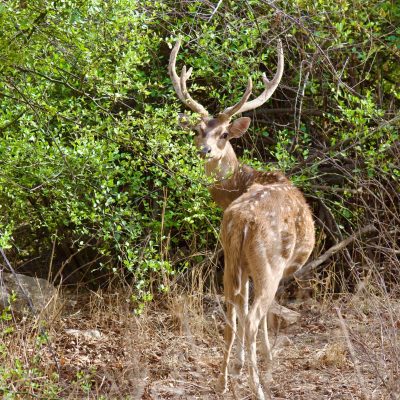
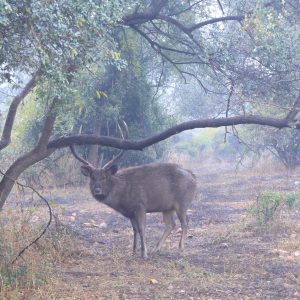
Sariska is home to large flocks of spotted deer (Chital), Sambar Deer and Nilgai (Blue Bull). They are usually seen in open grasslands and near watering holes.
5)Boring bear
Sometimes, during the evening or on a morning safari, the dull bear of Sariska has another rare but exciting view.
6) Jales and Hinas
They play an important role in the cleansing ecosystem and are often seen moving or resting near the grasslands.
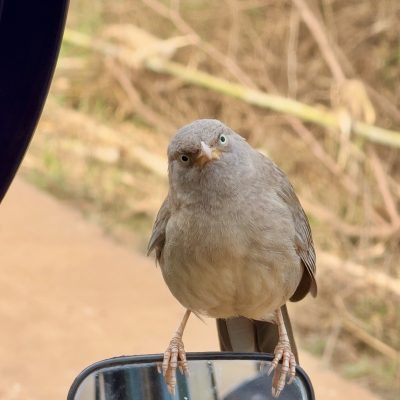
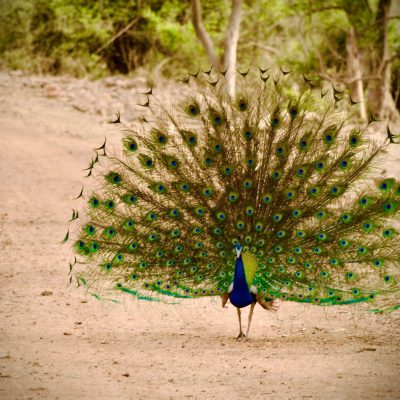
7) Bird
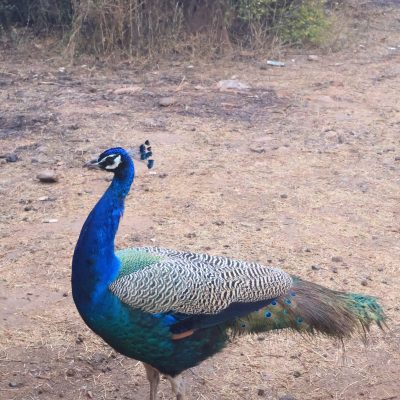
Sariska is the paradise of a bird trip, especially in winter. You can detect peacocks, hornbills, crescent-tube eagles, kingfishers, owls and many migratory birds. The nearby Chylise Lake also attracts waterfowl such as Indores, Storks and Herons.
Conclusion
A safari tour is more than just a trip; it’s an opportunity to truly connect with nature and witness wildlife in its natural habitat. Visiting Sariska Tiger Reserve during the right season can be unforgettable, and choosing to stay at Neem Sarai makes the experience even more enriching. With its proximity to the park, curated safari experiences, and serene setting, Neem Sarai offers the perfect base for a memorable and immersive wildlife adventure. While seasonal restrictions may seem limiting, they are essential for protecting the ecosystem and ensuring future generations can enjoy the same natural beauty.
So, if you’re planning a safari, aim for the season between October and June. Stay at Neem Sarai for a comfortable and well-guided experience, pack your camera and binoculars, and always respect the rules of the forest. With a little patience and luck, you might spot a tiger, a leopard, or even a rare migratory bird, making your Sariska safari truly unforgettable.

Welcome to Neem Sarai, where luxury meets comfort. Our commitment to providing exceptional hospitality ensures an unforgettable experience for every guest.
Copyright 2025, Kalwara Hotels Private Limited. All Rights Reserved.
Quick Link
Contact Information
- Neem Sarai Sariska, Naiduli, Tehla, Rajasthan 301410
- .+91 -9717 482225
- info@neemsaraisariska.com
